

 See My Latest Article on HelloNation
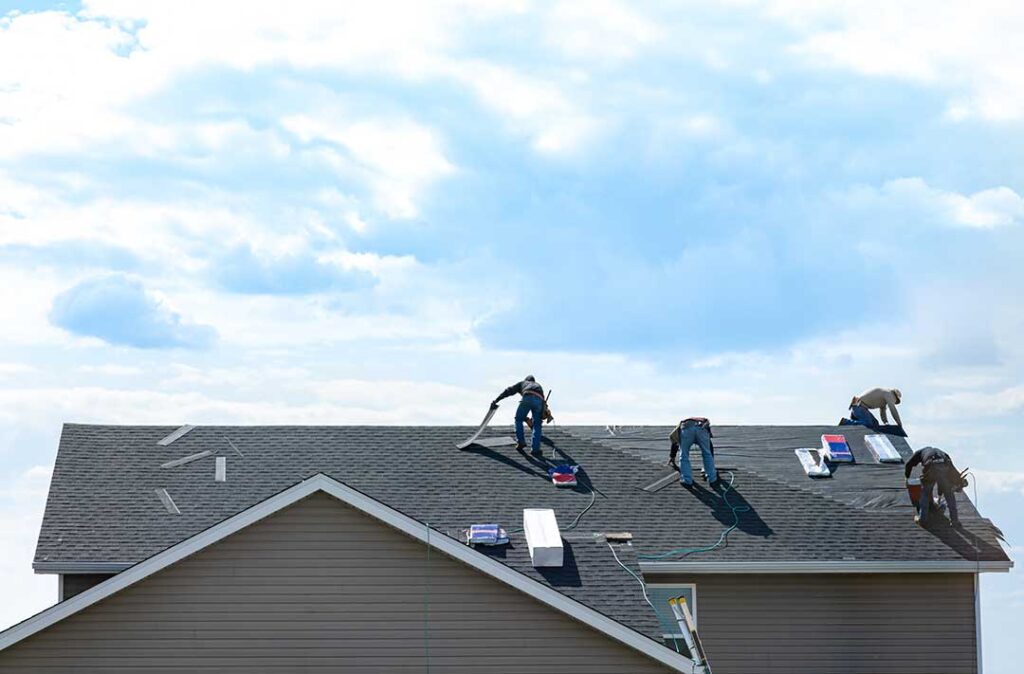
How Long Do Most Roofs Last in Aberdeen, NC?
A typical shingle roof in Aberdeen, NC can last anywhere from 15 to 25 years, but several factors may shorten or extend that lifespan. The humid subtropical climate in this region plays a major role: hot summers, frequent thunderstorms, and occasional ice storms can accelerate wear and tear compared to drier parts of the country. Roofs on older homes may also age differently due to past installation methods.
The most common residential roofs in the city are asphalt shingles, which generally need replacement after about two decades. Metal roofs and clay tiles are less common on area homes, but they tend to last longer. Always account for the year your current roof was installed, as well as any prior repairs, when considering its age.
What Are the Common Signs a Roof Needs to Be Replaced?
Visible signs like missing shingles, curling edges, and granule loss can indicate a roof is reaching the end of its functional life. These symptoms don't always mean immediate danger, but they do suggest the underlying structure may become vulnerable to leaks or further damage.
For Aberdeen residents, some of the most telling indicators include:
- Shingles that are cracked, buckling, or curling up at the edges
- Dark patches where protective granules have worn away, often ending up in gutters
- Frequent shingle loss after storms or windy weather
- Mold, algae, or moss growing in shaded areas, especially after wet summers
- Persistent leaks or water stains on ceilings after heavy rainfall
- Light shining through attic boards
While a single missing shingle can often be repaired, widespread or repeating problems suggest a whole-roof assessment is necessary.
Can Weather Events in Aberdeen, NC Affect Roof Lifespan?
Severe weather is a serious consideration for local homeowners. The city regularly experiences heavy rainstorms, high winds, and short periods of intense heat. Over time, these elements create stresses on roofing materials:
- Thunderstorms and hurricanes can lift or tear off shingles, exposing the roof deck
- Hail can dent or puncture roofing, leaving vulnerable spots for future leaks
- Hot, sunny summers lead to shrinking and cracking of asphalt shingles
- Occasional winter ice storms may create ice dams, allowing water to back up under shingles
After any major storm, a visual inspection from the ground can help residents spot new damage. Catching issues early may prolong the remaining life of the roof, but repeated impact or severe events often necessitate replacement sooner than the typical lifespan.
Does Roof Age Always Mean It Needs Replacement?
Age is a reliable guide, but not an absolute rule. Some roofs in the community still provide solid protection even after the 20-year mark, especially if they’ve been well maintained and haven’t suffered major storm damage.
However, roofs nearing or past their expected lifespan should be watched more closely. In many cases, homeowners wait until leaks develop or shingles fail repeatedly to consider full replacement, but this can increase the risk of interior water damage and higher long-term costs.
Regular annual inspections—either by walking the perimeter or checking from a ladder (if safe to do so)—can provide peace of mind and help spot issues before they escalate.
Should a Roof Be Replaced After a Leak, or Can Repairs Be Enough?
Not every leak automatically warrants replacement. Isolated leaks—such as those caused by a single damaged vent or flashing—can often be repaired without a full tear-off. However, if leaks appear in multiple areas or keep recurring after repairs, the underlying roof system may be failing.
For Aberdeen area households, pay attention to:
- Multiple leak sources in different rooms or sections of the home
- Previous patchwork repairs that don’t seem to hold up
- Extensive water staining in the attic or along exterior walls after each storm
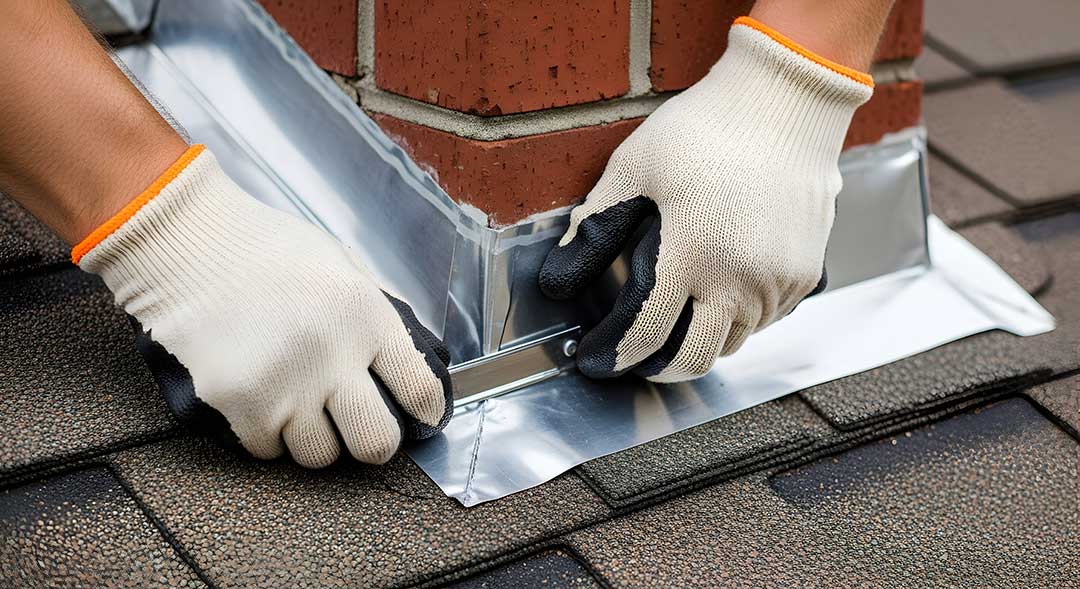
If these issues become frequent, investing in a new roof, rather than patching old materials, typically provides better long-term protection.
Are There Local Factors That Can Shorten Roof Lifespan?
Specific local risks include:
- Pine needles and leaves from common tree species in Aberdeen can collect, retaining moisture and encouraging shingle decay or mold growth
- Pollen and dust can foster algae growth, especially during wet springs
- Squirrels or birds can damage ridge vents and soffits, leading to water entry over time
Keeping the roof clear of debris and addressing minor wildlife damage promptly can help slow the aging process, but repeated or unmanageable issues are often signs a replacement is coming due.
What Are Overlooked Warning Signs That a Roof Is Failing?
Some cues are less obvious and are easily missed:
- Sagging or uneven roof surfaces, sometimes noticed only when standing farther from the house
- Higher-than-normal heating and cooling bills, which can suggest attic insulation has become wet or less effective due to leaks
- Unusual odors or musty smells in attic spaces from long-standing moisture
- Rust on metal flashing or gutters, a clue that water is escaping in places it shouldn’t
Proactively monitoring these often-overlooked details can save local residents from costly repairs and interior damage as the roof ages.
When Should Safety or Regulations Dictate Roof Replacement?
If a roof shows widespread sagging, visible structural damage, or has significant rot (especially in attic beams), immediate replacement is generally necessary for safety reasons. These situations sometimes require coordination with local building inspectors or insurance agents to ensure regulations and safety codes are met.
Severe storm damage involving wind stripping or fallen trees should also be addressed quickly, as exposed decking puts the home at risk for rapid water intrusion.