

 See My Latest Article on HelloNation
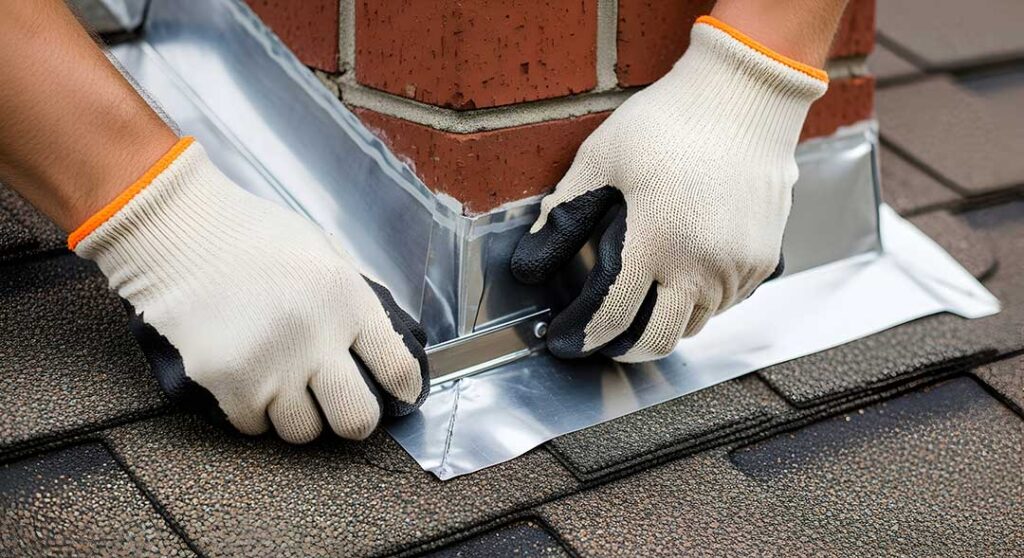
What Are the Most Common Roofing Materials for Aberdeen, NC Homes?
Most households in Aberdeen, NC choose from a familiar group of roofing materials: asphalt shingles, metal, wood shakes, concrete or clay tile, and synthetic (composite) options. Each material presents specific benefits and drawbacks based on local climate patterns, home styles, and budget preferences.
In Aberdeen, roofs face humid summers, occasional ice in the winter, frequent rains, and the risk of high winds or hail. Builders and homeowners alike consider these factors, alongside the size and pitch of the roof, when making a choice.
How Do Asphalt Shingles Perform in the Local Climate?
Asphalt shingles remain the most widespread roofing option for area homes due to their accessibility and balanced performance.
- Advantages: Asphalt shingles are affordable, easy to install, and designed to withstand moderate winds and seasonal changes. In Aberdeen’s climate, modern shingles can last 15-25 years, depending on ventilation and attic conditions.
- Challenges: These shingles may age prematurely under constant sun and summer heat, and rapid temperature swings can cause cracking. Shingle roofs are also more susceptible to wind uplift during intense storms or hurricanes, which occasionally reach the region.
- Local Note: Residents sometimes overlook attic ventilation and insulation, both of which help extend the lifespan of asphalt roofing in the community.
Is Metal Roofing Practical for Aberdeen Homes?
Metal roofing has grown in popularity among local homeowners seeking durability and energy efficiency.
- Benefits: Metal roofs are highly resistant to water, wind, and hail, and often last 40-70 years. They reflect significant solar heat, helping moderate attic temperatures during hot North Carolina summers. Lightweight panels work well on both historic cottages and modern builds.
- Drawbacks: Metal can be noisy in heavy rain or hail, although newer products reduce this issue with integrated insulation. Initial installation costs are considerably higher than asphalt. Denting is possible if large hailstones strike, and painted finishes will eventually fade under UV exposure.
- Local Misconception: Some assume metal increases lightning risk, but standard metal roofs do not make strikes more likely.
Are Wood Shakes or Shingles Suitable for the Area?
Wood shakes bring distinctive beauty and character, often chosen for historic or custom homes in the area.
- Pluses: Cedar and other hardwoods offer natural insulation and blend well with Aberdeen’s traditional architecture. Properly maintained, these roofs can last over 25 years.
- Minuses: Humid summers and seasonal storms increase the risk of rot, mold, and insect damage unless shakes are regularly cleaned and treated. Fire risk is a critical concern for wood roofs, and some insurers charge higher premiums for homes with wood roofing.
- Practical Consideration: Homeowners attracted to the charm of wood should budget both time and money for regular upkeep. Failing to maintain a wood roof in Aberdeen’s climate usually leads to early deterioration.
What About Concrete or Clay Tile Roofs?
Clay and concrete tiles are known for longevity and classic aesthetics, but they come with specific installation requirements.
- Strengths: Concrete and clay tiles often outlast the homes themselves—sometimes 50 years or more—if properly installed. They resist rot, are naturally fire-safe, and stand up well against pests.
- Weaknesses: These tiles are heavy and require reinforced roof structures. Installation is time-consuming and specialized, making up-front costs quite high. Occasional freeze-thaw cycles in the region can cause tiles to crack if water seeps in, although this is less frequent than in colder climates.
- Local Example: Tile roofs are less common outside of specific architectural homes in Aberdeen, partly due to weight and cost, but provide excellent heat resistance for residences with suitable support.
Do Synthetic and Composite Roofs Offer Real Benefits?
Synthetic roofing combines elements like plastic polymers, recycled rubber, or engineered materials designed to mimic wood or slate.
- Positives: Composite shingles and tiles are lightweight, made for durability, and manufactured to resist moisture, algae, and impacts—valuable traits during wet seasons or hail events in the community. Their appearance can closely resemble premium materials at lower cost and weight.
- Drawbacks: Longevity claims vary greatly between products, and performance depends on both quality and professional installation. Some composites can become slippery with wet leaves or mold if shaded. Color may fade over time in the direct sun.
- Misconception: Not all “lifetime” composite products last as long as advertised; local residents should review manufacturer warranties and check for products suited specifically for humid southeastern climates.
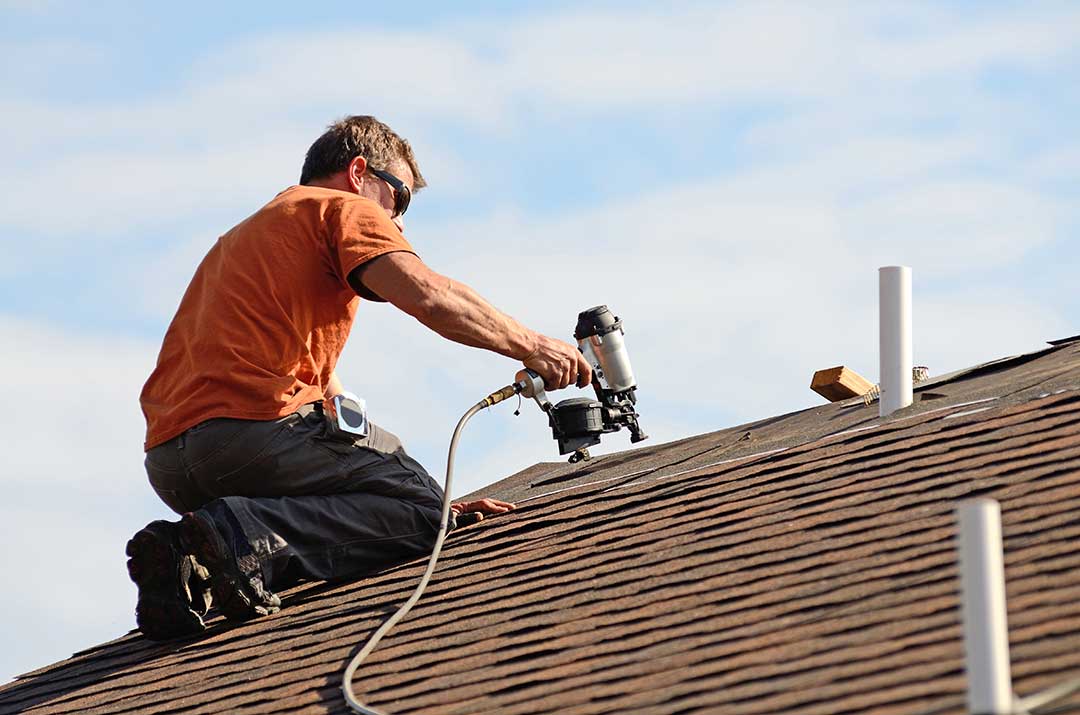
Which Roofing Material Handles Storms and Severe Weather Best?
In Aberdeen, periodic storms, high winds, and hail make storm resistance a major factor.
Metal, high-quality asphalt shingles, and concrete tiles typically offer the best protection from wind and hail when installed to manufacturer specs and local codes. Metal panels interlock to shed rain and resist wind uplift, while some advanced architectural shingles come with wind warranties up to 130 mph. Tile roofs withstand small hail well, but individual tiles can crack from larger impacts.
Wood shakes are generally more susceptible to wind and moisture damage. Composite products vary greatly, so checking for third-party impact and wind ratings is crucial.
How Do Roofs Affect Energy Costs in Aberdeen Houses?
Roof color, material, and insulation all influence attic temperatures—and thus energy expenses.
- Metal roofs in reflective finishes can help reduce summertime heat transfer.
- Lighter-colored asphalt shingles also reflect more sunlight than dark options.
- Tile and some composites provide natural air gaps, boosting ventilation just under the surface.
- Wood shakes offer good insulation but may trap humidity unless ventilation is top-tier.
The choice of underlayment and attic airflow can make as much difference as the roof choice itself for energy efficiency in local homes.
What Are the Maintenance Demands for Each Material?
Maintenance levels should factor into every decision, especially for area homeowners planning to stay in their residence for decades.
- Asphalt shingles need periodic inspections for missing or curling shingles and prompt debris removal.
- Metal roofs benefit from occasional cleaning and early attention to any scratches or rust spots.
- Wood shakes require regular cleaning, debris removal, treatment against insects and rot, and replacing damaged sections.
- Tile roofs require inspecting for cracked tiles and clearing out moss or algae.
- Composite roofing generally needs only visual inspection and light cleaning, though shaded areas may promote mold.
Are Any Materials Prohibited or Limited in Aberdeen Neighborhoods?
The city and many homeowners’ associations set standards for roofing color, type, and sometimes reflectivity. Fire safety codes may prohibit wood shakes on certain properties, especially near densely wooded lots. It’s wise for property owners to review local guidelines before buying materials or starting work, as incompatible choices can delay projects or lead to costly changes.