

 See My Latest Article on HelloNation
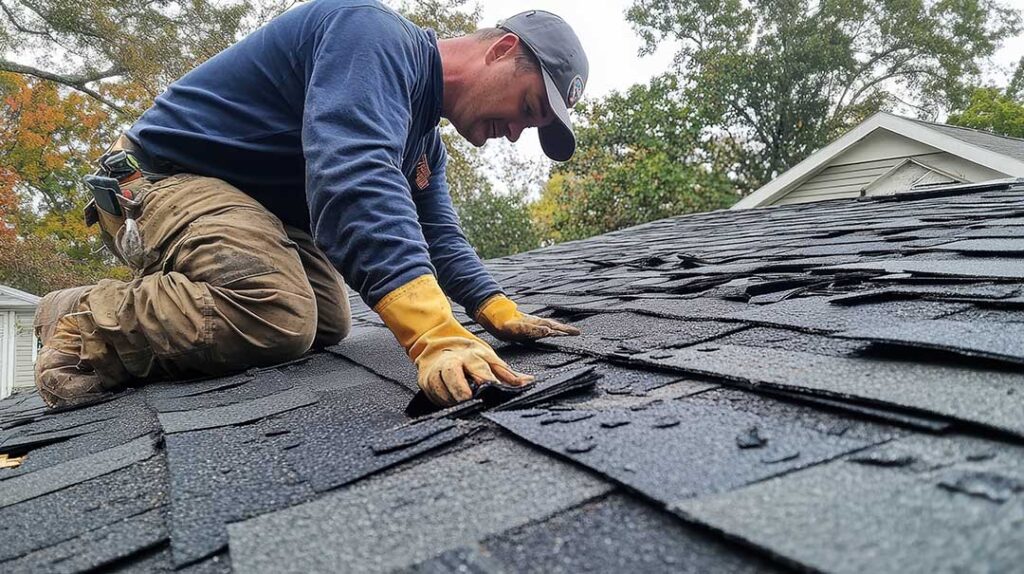
Tree limbs can affect a roof in several ways, from scratching protective granules to causing sudden structural damage. In Aberdeen, NC, homes surrounded by mature trees may face added exposure during thunderstorms, high winds, heavy rain, and periods when weakened branches fail without warning.
The damage is not always obvious from the ground. A limb may leave only a few scattered leaves on the roof while cracking shingles, loosening flashing, or creating an opening where water can enter later.
How can a tree limb damage a roof?
A falling limb can break or dislodge roofing materials, while a smaller branch may cause gradual wear through repeated contact. The severity depends on the limb’s size, height, angle, weight, and whether the roof was already weakened.
Common forms of damage include:
- Cracked, punctured, or missing shingles
- Dented metal flashing or vent covers
- Damaged ridge caps and roof edges
- Broken gutters and downspouts
- Cracked roof decking beneath the shingles
- Damaged fascia, soffits, or trim
- Holes around chimneys, skylights, or plumbing vents
A heavy branch can also concentrate force in a small area. Even if the shingles appear intact, the decking or framing below may be compressed or split.
Can small branches cause roof problems?
Yes. Small branches usually cause less dramatic damage, but repeated contact can shorten the life of roofing materials. Wind can move a branch back and forth across the same section of shingles, wearing away the surface granules and exposing the underlying asphalt.
Smaller twigs may also:
- Scratch or loosen shingles
- Collect in roof valleys
- Block gutters and drainage paths
- Trap moisture against roofing materials
- Rub against vents, flashing, or metal edging
A branch that rests on the roof after a storm should not be ignored simply because it is thin. Its weight may increase when wet, and movement during later wind can create additional abrasion.
Why are roof valleys and gutters especially vulnerable?
Roof valleys collect water from two sloping roof surfaces, making them natural collection points for leaves, twigs, and other debris. If branches settle in a valley, they can slow drainage and keep the area damp.
Blocked or overloaded gutters create a related problem. Water may spill over the edge, soak fascia boards, collect near the foundation, or run behind trim. In freezing conditions, trapped water can also expand and worsen cracks, although extended freezes are less common in this region than in colder parts of the country.
Gutters do not need to be completely full to cause trouble. A partial blockage can redirect water toward roof edges and create staining or rot over time.
What signs suggest that a limb has damaged the roof?
Some signs are visible from the yard, while others appear inside the house. After a storm or noticeable branch impact, look for:
- Shingles that are lifted, curled, cracked, or missing
- Freshly exposed dark or light patches on the roof
- Dents in metal vents, flashing, or gutters
- New piles of granules near downspouts
- Sagging gutters or separated gutter sections
- Scraped bark or visible branch marks
- Daylight visible in the attic
- Water stains on ceilings or upper walls
- Damp insulation, musty odors, or dripping sounds
A ceiling stain may not be directly below the damaged area. Water can travel along roof decking, rafters, insulation, and drywall before becoming visible indoors.
For that reason, a small interior stain should not automatically be treated as a minor leak. It may reflect damage higher up the roof slope.
Should a roof be checked after a branch falls nearby?
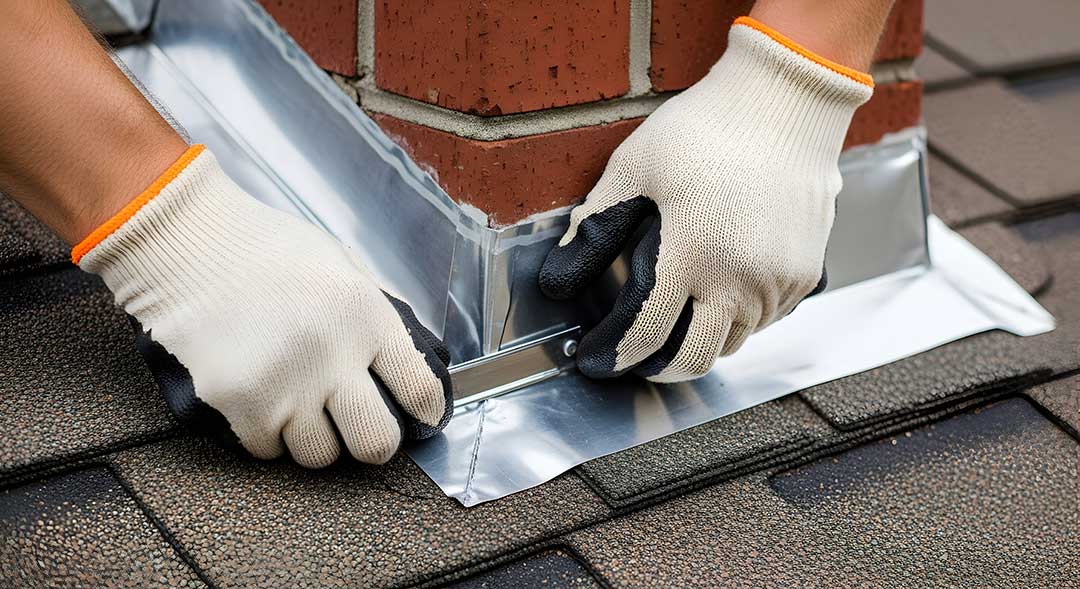
A roof should be visually checked after a significant branch fall, especially if the limb landed on the roof or struck the eaves. The safest first step is observation from the ground. Look for displaced materials, hanging branches, sagging areas, and debris near roof penetrations.
Walking on the roof to inspect it can cause additional damage and creates a fall hazard. Climbing near power lines, wet surfaces, unstable branches, or steep roof sections is particularly dangerous.
If a large limb remains on the roof, it should not be dragged or cut from the roof without proper safety equipment and training. A suspended or partially supported branch can shift unexpectedly, and removing weight from one side may change its balance.
How do overhanging limbs create long-term problems?
Branches that hang over a roof can cause damage even without falling. Leaves and twigs accumulate in valleys and gutters, while shade slows drying after rain. Persistent moisture can contribute to algae growth, surface deterioration, and decay in nearby wood components.
Tree movement also matters. A branch may appear several feet above the roof on a calm day but touch the shingles during wind. Repeated movement can wear a narrow path across the roof, similar to a loose object rubbing against a surface.
Overhanging limbs can also drop sap, seed pods, bark, and small deadwood. These materials may stain roofing surfaces or collect around vents and drainage areas.
Does tree shade reduce roof life?
Shade alone does not automatically damage a roof, but shaded areas tend to remain damp longer. That can encourage moss, algae, and organic buildup, particularly where leaves or debris are already present.
Moss is more concerning than ordinary discoloration because it can grow beneath shingle edges and lift them. Algae may mainly affect appearance, but heavy organic growth can hold moisture against the roofing surface.
The condition of the roof matters as well. Older shingles, exposed fasteners, deteriorated flashing, and poorly draining valleys are generally less tolerant of repeated moisture and debris.
What should homeowners do after storm damage?
Start with safety and documentation:
1. Keep people away from areas with hanging limbs, fallen electrical wires, or ceiling sagging.
2. Photograph visible damage from the ground.
3. If water is entering, place containers beneath active drips and move belongings away from the area.
4. Check the attic only if it can be done safely and without approaching unstable roof components.
5. Remove loose indoor water sources, but do not climb onto the roof during rain or wind.
6. Record the approximate date of the storm and the areas affected.
Temporary protection may be appropriate when there is an open hole and rain is expected, but covering a roof safely requires caution. Improperly placed coverings can trap water, tear loose in wind, or create a fall hazard.
How can residents reduce limb-related roof damage?
Tree-related roof risk can be reduced through regular observation and timely removal of clearly dead, broken, or dangerously positioned branches. Attention is especially useful before seasons that commonly bring thunderstorms and strong wind.
Helpful habits include:
- Inspecting trees for deadwood, split limbs, and weak branch attachments
- Keeping branches from rubbing directly against shingles or roof fixtures
- Clearing leaves and twigs from valleys and gutters
- Watching for branches that hang over roof edges
- Checking attic spaces periodically for leaks or daylight
- Trimming vegetation only when the work can be performed safely from stable ground
Tree pruning and roof work involve different hazards. Limbs near electrical lines, large branches, steep roofs, and damaged structures require specialized safety practices rather than improvised cutting or climbing.
A roof does not need a dramatic hole to be affected by a tree. Repeated rubbing, trapped moisture, blocked drainage, and hidden decking damage can all reduce performance over time. Prompt observation after storms and routine attention to nearby trees can help reveal these problems before a small defect becomes an interior leak.