

 See My Latest Article on HelloNation

Why Does Winter Preparation Matter for Roofs in Aberdeen, NC?
Getting a roof ready for winter in Aberdeen, NC helps protect homes from rain, ice, wind, and occasional freezes that can test roofing materials. While winters here aren't as harsh as those farther north, the combination of moisture, cold snaps, and occasional storms can still lead to leaks, mold, or costly repairs if problems go unnoticed.
Homes in this region often have a mix of pitched and low-slope roofs, many of which face wear from humidity and leaf buildup each fall. Early preparation reduces the risk of unexpected leaks and helps roofs reach their full lifespan, making the effort worthwhile for local households.
What Roof Problems Are Most Common Before Winter in This Area?
Roof issues in the community before winter often develop from:
- Accumulated debris, such as pine needles and oak leaves, which are common in local yards and landscapes
- Clogged gutters and downspouts that back up water during rain or freeze-thaw cycles
- Loose or shifted shingles after summer thunderstorms and wind events
- Small cracks or gaps around flashing, chimneys, or vents exposed to ongoing humidity
While heavy snow isn't frequent, even a light dusting can find its way under loose materials. Regular checks ahead of winter allow residents to spot and address these vulnerabilities before the colder months arrive.
How Should Roofs Be Inspected in the Fall?
A fall roof walkthrough helps identify most issues while weather is still mild. Begin with a thorough look from the ground—use binoculars to scan for:
- Uneven roof lines, missing, curled, or cracked shingles
- Dark patches signaling moss, algae, or water damage
- Gaps or rust at flashing, especially around chimneys or plumbing vents
It’s also practical to examine the attic for signs of water staining, daylight peeking through roof boards, or musty odors, which can signal existing leaks or moisture trouble.
Climbing on the roof isn’t recommended for safety reasons, especially on wet or steep pitches. Most minor checks can be done visually. If unsure, use a camera on an extension pole or inspect from a window if available.
What Steps Help Keep Gutters Flowing All Winter?
Gutters play a key role in moving water off the roof and away from the home’s foundation. In Aberdeen, leaf drop often lasts into late fall, so waiting until most nearby trees are bare before cleaning is ideal. Steps include:
- Removing leaves, pine needles, and twigs from gutters and downspouts by hand, scoop, or a garden hose
- Checking for sagging, rust, loose hangers, or leaks at joints
- Ensuring downspout exits direct water several feet away from the house
For homes with higher rooflines, using a safe extension tool or fitting a hose sprayer on the ground can make cleaning easier. Gutter guards can help long-term, but still benefit from an annual check.
How Can Small Repairs Prevent Winter Leaks?
Minor roof repairs in the fall can save time and expense, especially if done before frequent rainfall or chillier weather. Typical prevention tasks involve:
- Replacing missing or cracked shingles using weather-matched materials
- Sealant touch-ups around flashing, valleys, chimneys, and vents
- Tightening or resecuring loose metal flashing or exposed fasteners
Local residents often overlook the need to trim overhanging branches, which can drop debris or scrape across shingles in winter wind. Keeping branches at least five feet from the roof reduces both damage risk and pest access.
Are Attic Insulation and Ventilation Also Important?
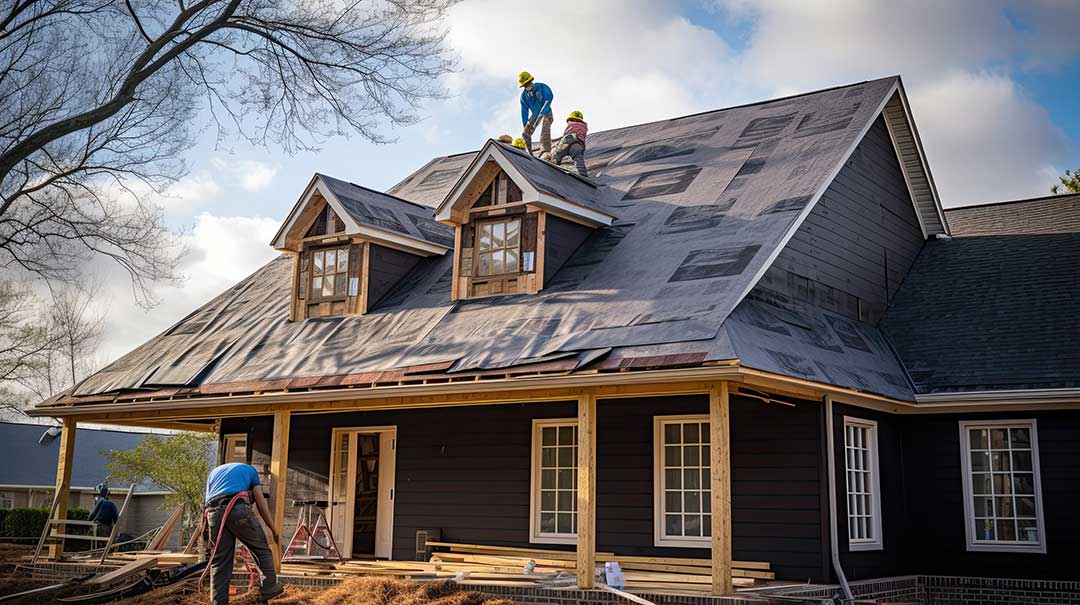
Proper insulation and airflow play a surprising role in roof health, especially for homes in humid climates. Inadequate insulation can let warm, moist air rise from living spaces, condense in the attic, and cause mold or rot near roof decking.
Check for:
- Even, undisturbed attic insulation covering the entire ceiling below the roof
- Clear, unobstructed soffit, ridge, or gable vents
- No noticeable dampness, frost, or mold around attic woodwork
Insulation that’s been compressed or moved, or blocked ventilation, should be corrected to promote consistent attic temperatures and reduce ice dam risks, even in milder winters.
What Are Overlooked Factors in Local Winter Prep?
Several winter roof hazards are frequently missed in Aberdeen:
- Fireplace and wood stove use rises in colder months; check flashing and cap conditions around all chimneys.
- Satellite dishes and solar panels mounted on the roof may weaken near their anchor points over time; inspect the seals below and around all brackets.
- Past hurricane or storm repairs may look fine from the ground but could have shifted or loosened since summer—review patched areas with extra care.
Regular maintenance records—either photos or a simple checklist—make annual comparisons easier and help spot changes before they become problems.
When Is Professional Help Needed?
There are times when do-it-yourself inspections or repairs aren’t the safest or most effective option. These situations include:
- Noticing widespread shingle damage or visible sagging
- Discovering mold, rotten decking, or repeated attic leaks
- Needing to navigate steep, slippery, or high roofs
Serious safety risks, large structural issues, or persistent leaks, especially involving electrical or mechanical roof penetrations, require attention from a qualified roofing professional.