

 See My Latest Article on HelloNation
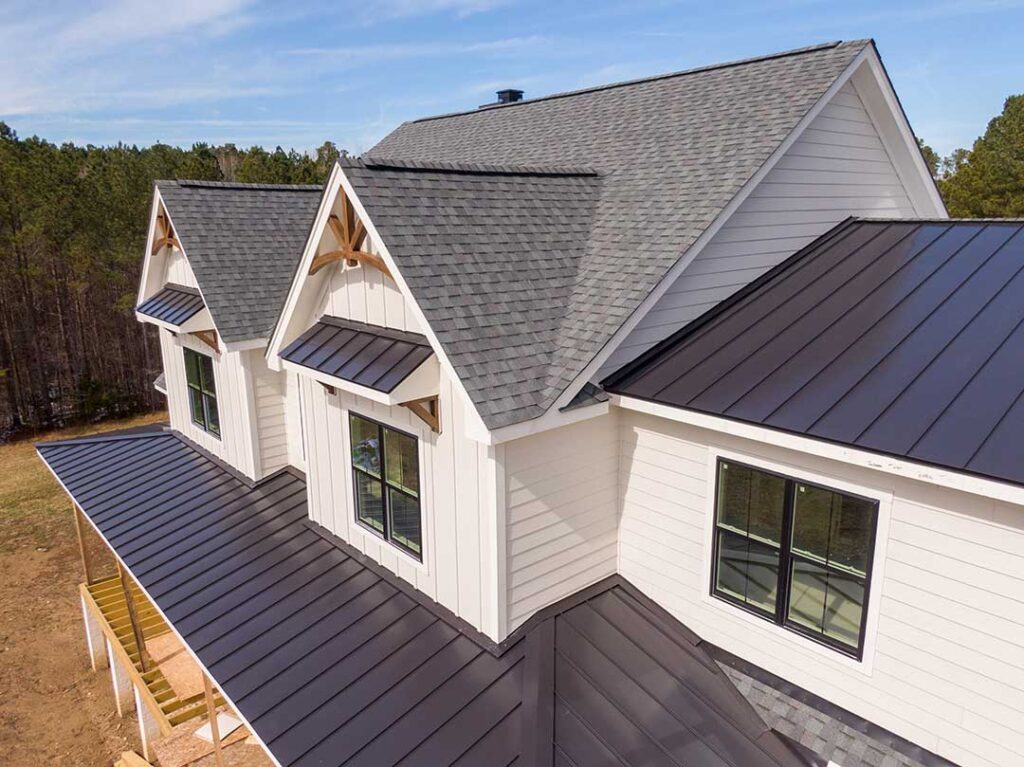
Choosing a roof color involves more than picking a shade that looks appealing in a sample book. The right choice should work with the home’s exterior, suit the surrounding neighborhood, perform reasonably well in a warm and humid climate, and remain attractive as the property ages.
What should be considered before choosing a roof color?
The most reliable approach is to evaluate the entire exterior rather than viewing roofing materials in isolation. A roof usually covers a large portion of the visible structure, so its color can influence how large, bright, traditional, or modern the home appears.
Start by looking at permanent features that are unlikely to change soon:
- Brick or stone
- Siding color
- Exterior trim
- Shutters and doors
- Gutters and downspouts
- Driveway and walkways
- Window frames
- Outdoor structures
A roof color should coordinate with these elements without matching every feature exactly. For example, a home with warm brick may work well with brown, weathered wood, or charcoal tones. A house with cool gray siding may look more balanced with slate gray, medium gray, or a muted black.
Paint can be changed more easily than roofing, so permanent materials deserve the greatest influence in the decision.
How does roof color affect a home’s appearance?
Light-colored roofing generally makes a home look more open and visually larger. Dark roofing can create stronger contrast and may make a low, wide home appear more grounded. The effect also depends on roof shape, pitch, dormers, porches, and the amount of roof visible from the street.
A dark roof often gives a home a sharper, more defined appearance, particularly when paired with light siding. It can also emphasize architectural details such as gables and roof lines.
Lighter or mid-tone roofs tend to produce a softer appearance. They may blend more easily with brick, natural stone, and mature landscaping. Mid-range shades can also conceal everyday dust and minor color variation more effectively than very dark or very light materials.
The surrounding setting matters as well. A color that looks balanced in a shaded neighborhood may appear much brighter in direct afternoon sun. Viewing samples outdoors at several times of day is more useful than relying on indoor lighting.
Are dark roofs hotter than light roofs?
Dark roofing can absorb more solar energy at the surface, while lighter colors generally reflect more sunlight. However, roof color is only one part of a home’s heat performance.
Ventilation, insulation, roof design, underlayment, attic airflow, and the material itself also affect indoor comfort. A well-ventilated roof with adequate attic insulation may perform better than a lightly colored roof with poor airflow and insufficient insulation.
This consideration is especially practical for homes in Aberdeen, NC, where long, hot summers can place extra demand on air-conditioning systems. A lighter or medium roof color may help reduce surface heat, but it should not be treated as a substitute for proper insulation and ventilation.
Energy performance can also vary by roofing material and product design. If heat reduction is a priority, review the material’s tested reflectance and thermal properties rather than judging performance by color alone.
Which roof colors work well with brick homes?
Brick usually contains several subtle colors, even when it appears to be one consistent shade. A closer look may reveal red, tan, brown, gray, or charcoal tones. The roof does not need to match the dominant brick color; it can pick up one of the less obvious tones to create a coordinated appearance.
Common combinations include:
- Red or orange-toned brick with brown, dark bronze, or weathered wood roofing
- Tan brick with brown, gray-brown, or muted charcoal roofing
- Gray brick with slate, medium gray, or deep charcoal roofing
- Mixed brick with a neutral color that connects several tones
Very strong color contrasts can make the roof stand out more than intended. If the brick already has significant variation, a quieter roof color often creates a more balanced exterior.
Which colors suit light-colored siding?
Light siding provides flexibility, but the best choice depends on whether the siding has warm or cool undertones. Cream, beige, and tan siding usually coordinate more naturally with brown, bronze, or warm gray roofing. White, pale blue, and cool gray siding may pair well with charcoal, slate, or neutral gray.
A dark roof can add definition to a pale exterior, but the contrast should be considered alongside trim and shutters. If the trim is also very dark, the home may appear visually heavy. A medium roof color may provide enough contrast without overpowering the rest of the exterior.
For homeowners considering a future siding change, a neutral roof is usually more adaptable than a strongly colored roof. Neutral does not mean dull; charcoal, weathered gray, brown, and blended tones can all provide character while leaving more exterior design options open.
Do local weather and surroundings matter?
They can. In a warm, humid area with intense sunlight, roof colors may experience gradual fading, especially on roof planes that receive strong sun for much of the day. High humidity can also contribute to algae or organic staining on some roofing surfaces, although roof color does not cause those growth problems by itself.
Darker roofs may make certain light-colored stains more visible. Very light roofs can show dirt, leaf residue, and dark organic marks more clearly. Blended or mid-tone materials often hide minor variation better than solid, extreme colors.
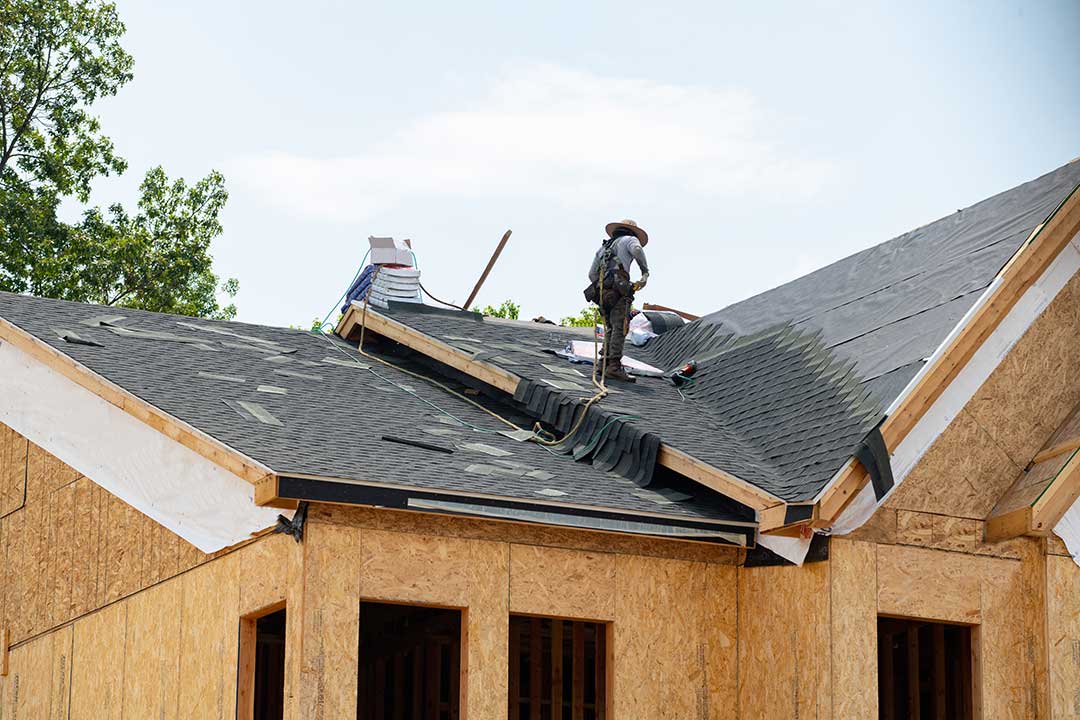
Storm exposure is another practical consideration for area households. A roof color will not determine whether roofing withstands wind or falling branches. Installation quality, fastening, material rating, roof condition, and maintenance are more directly related to storm performance.
Should the roof match neighboring homes?
A roof does not have to match nearby houses, but it should fit the visual character of the street. A color that is dramatically different from every surrounding home may attract attention in a way that affects the property’s overall appearance.
Neighborhood rules, planned-community requirements, or historic design guidelines may also limit available colors. These rules vary by property and should be reviewed before materials are ordered. In areas without formal restrictions, consistency with nearby homes can still be useful when preserving a traditional streetscape.
The goal is not to copy neighboring properties. It is to avoid choosing a color without considering the established surroundings.
How can roof samples be judged accurately?
Small samples can be misleading. A roof covers a much larger area, and the color may look lighter in full sunlight than it appears in a brochure.
Place samples near the home’s siding, brick, trim, and driveway. Review them:
- In direct morning or afternoon sunlight
- In overcast conditions
- From the street
- Near existing exterior materials
- Against both light and shaded portions of the house
If possible, observe the samples for several days. Color perception changes with weather, seasonal landscaping, and the angle from which the roof is viewed.
It is also useful to examine older roofs with similar colors. This can reveal how a shade looks after years of sun, rain, pollen, and seasonal debris rather than only when it is new.
What roof color mistakes are most common?
A frequent mistake is choosing based on a tiny indoor sample. Another is matching the roof to a temporary paint color while overlooking permanent brick, stone, or masonry.
Other avoidable problems include:
- Selecting a very dark color without considering the home’s size and roof design
- Choosing a highly unusual color that limits future exterior changes
- Ignoring how much roof is visible from the street
- Assuming color alone determines energy efficiency
- Failing to check neighborhood or property restrictions
- Overlooking how the roof will look beside mature trees and surrounding homes
A well-chosen roof color should still make sense if the shutters, front door, or landscaping changes later. The most dependable choices usually coordinate with the home’s fixed materials, respond appropriately to local sunlight, and remain flexible for future maintenance and exterior updates.